Anxiety vs Panic Attacks: What's the Difference?
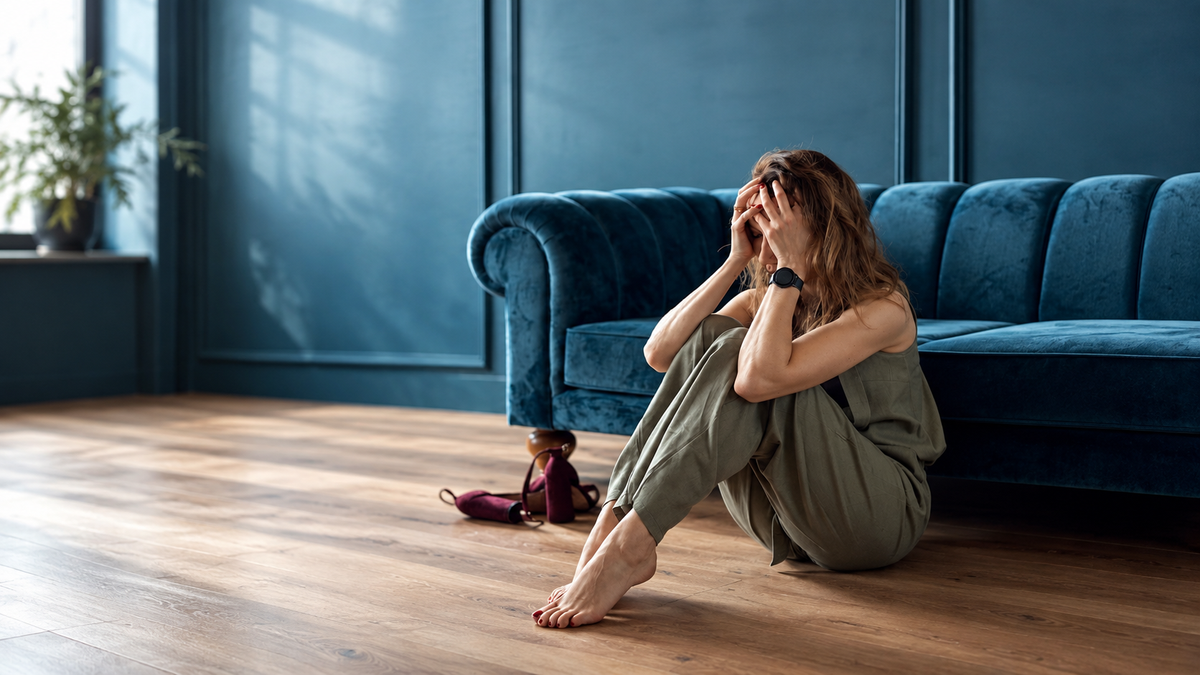
I Used to Think They Were the Same Thing.
For the longest time I used "I'm having a panic attack" to mean "I'm stressed about my exam tomorrow." Most of us do this. Anxiety, panic both of it goes into one bucket in our heads.
What does anxiety actually mean?
It basically means worrying about possible upcoming problems or danger. Here are some anxious situations, I bet we all have experienced at least once!
-
Feeling anxious before an exam
-
Recall of a traumatic event suddenly
-
Concerned about the future
-
Breaking a glass of water and stressing about how my mother will react
-
Excessive caffeine intake and less sleep than normal
If you’re someone who usually faces anxiety here are some ways to reduce it:
-
Slow breathing
- Breathe in gently through your nose for a slow count of 4
Now let it all go, exhaling softly for 4 seconds, and feel your body settle
-
Exercise routine
- Sweats out surplus stress hormones such as adrenaline and cortisol
- Endorphin release creates a feeling of happiness
- Teaches your body that a racing heart is not something to always fear
-
Meditation
- Start with just 5 to 10 minutes a day
- Try guided meditation apps if sitting in silence feels hard
-
Talk to someone
- Reach out to a friend, family member or partner you trust
- You don't need solutions, sometimes just being heard is enough
- Sharing reminds you that you're not alone in what you feel

Some Myths and facts about anxiety:
MYTH #1: "Anxiety is just overthinking. Snap out of it!"
FACT:
-
Anxiety affects your brain chemicals, your nerves, and your genetic make-up, not just your mind
-
You can't "snap out of it" any more than you can snap out of a fever
-
When one is told to “just relax,” that person feels more misunderstood
MYTH #2: "Anxiety isn't a real health issue."
FACT:
-
Anxiety disorders are among the most common mental health conditions worldwide
-
It causes real physical symptoms: headaches, stomach issues, muscle tension, fatigue, a racing heart
-
It's recognised and treated by doctors and mental health professionals everywhere
MYTH #3: "People with anxiety are just weak."
FACT:
-
Anxiety has nothing to do with strength of character
-
Athletes, CEOs, celebrities and leaders live with anxiety too
-
Many people with anxiety show up for life every single day despite what they're feeling. That's strength
MYTH #4: “Any anxiety is a sign that something is wrong with you”
FACT:
-
Some level of anxiety is actually normal and even positive as it helps you to remain alert during an exam or even when crossing the road
-
The trouble arises if it becomes persistent or interferes with your normal day-to-day activities
MYTH #5: "If you look fine, you can't be anxious."
FACT:
-
There are many individuals who have “high functioning anxiety”, in which they are Smiling through the day while quietly battling racing thoughts
-
Anxiety is not visible through physical appearance

What does panic attack actually mean?
A panic attack is your body screaming 'danger!' when there's nothing to run from. "Imagine a storm of fear hitting you out of nowhere, on a perfectly calm day. That's a panic attack"
-
Asthma and breathing disorders
-
Big Life Changes
-
Job loss
-
Months of work pressure
-
Losing a loved one
If you’re someone who usually faces panic attacks here are some ways to reduce it:
-
Relax your muscles one by one
- Clench your fists tightly for 5 seconds, then release
- Move your shoulders, jaw, stomach, legs
-
Try Box Breathing
- Inhale for 4
- Hold for 4
- Exhale for 4
- Hold for 4
-
Ground Yourself with 5-4-3-2-1
- 5 things you can see
- 4 things you can touch
- 3 things you can hear
- 2 things you can smell
- 1 thing you can taste
-
Name it to tame it
Say it out loud or in your head -
“This is a panic attack, It feels awful, but it's not dangerous, It will peak and pass”

When to Get Help
Reach out to a doctor or mental health professional if:
-
Attacks are happening regularly
-
You're avoiding places or situations in case one happens
-
You're constantly worried about the next one
-
You have chest pain or symptoms you're unsure about

Some myths and facts about panic attacks:
MYTH #1: "A panic attack can kill you."
FACT: Panic attacks feel terrifying, but they aren't dangerous in themselves.
-
The pounding heart and tight chest come from an adrenaline rush, not a heart problem
-
These symptoms usually last for about 10 minutes before fading away
-
When you experience chest pains that are new, severe, or different, see your doctor
MYTH #2: "Panic attacks always have a clear trigger."
FACT: Many panic attacks come out of nowhere.
-
They can strike while you're relaxing, watching TV or even sleeping
-
An unexpected attack doesn't mean something is "wrong" with you
MYTH #3: "If you have one panic attack, you have panic disorder."
FACT: One attack doesn't equal a disorder.
-
Many people experience one or two panic attacks in their lifetime and never have another
-
Panic disorder involves repeated attacks plus ongoing fear of the next one
-
Listen to your body, but go easy on yourself, One panic attack is an experience, not a diagnosis
MYTH #4: "Breathing into a paper bag stops panic attacks."
FACT: This old trick isn't recommended anymore.
-
It can be unsafe, especially if symptoms are actually caused by a medical issue like asthma or a heart problem
-
Breathing slowly while extending your exhale breaths is a better alternative
-
Grounding exercises such as 5-4-3-2-1 also have a magic touch
MYTH #5: "People having a panic attack are just being dramatic."
FACT: What they're feeling is completely real.
-
Their body is in full fight-or-flight mode
-
They truly feel they are having a heart attack or that they are out of control
-
The very best thing you can do: remain calm and speak softly to them

We all require an anchor to cling on to when anxiety takes a hold of us; that’s why we invented Anchor by VARAÉ.
A pocket-sized inhaler, specifically formulated to help you through your anxious moments, will be your companion.
In just 5 seconds, you'll have your focus back on the present, thanks to the power of the inhaler's aroma. Pair it with the slow breathing techniques above!