Physical & Mental Symptoms of Anxiety: Understanding What Your Mind and Body Are Telling You
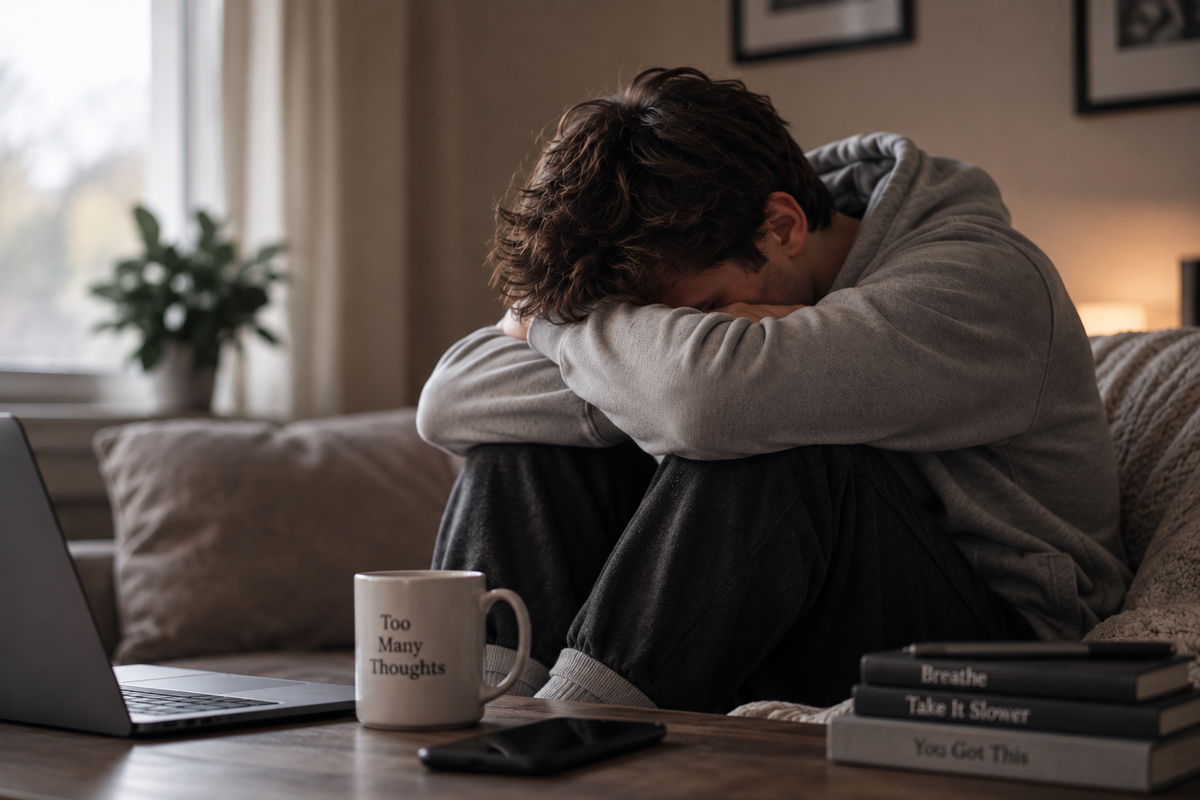
Anxiety doesn't always announce itself with the words, "I'm anxious."
At times, it might seem that there are skipped beats because of what is ahead. At other times, it may appear as though your mind cannot stop thinking even at night time. And sometimes, you feel as though something is not quite right with you.

Anxiety is capable of affecting both the mind and the body, and knowing how to recognize the symptoms can be the first step towards understanding what is going on and managing the situation in a healthy manner.
What Is Anxiety?
Anxiety refers to the reactions of the body and mind in response to stress or perceived danger. Sometimes anxiety plays an important role in keeping us alert despite lack of actual dangers.
However, when fear, worries, or anxiety begins to occur more frequently and becomes more challenging to cope with, it begins to impact everyday living.
What matters is the fact that there can be various forms of anxiety. For some people it is purely physiological, whereas for others anxiety is associated with thoughts, worries or inability to concentrate.
Normally, the mind and body have the same responses.

Physical Symptoms of Anxiety
When your brain detects that you're stressed, then your body reacts to prepare for something bad happening. This is the natural fight-or-flight response.
Some common physical symptoms of anxiety are:
1. Racing or pounding heartbeat
You may experience increased heartbeat, particularly if you feel stress or anxiety.
2. Rapid or shallow breathing
Anxiety may cause your breathing to be messy or unsteady. You may experience the feeling of having to breathe deeply or get your breath back.
3. Muscle tension
Stress can cause the muscles to become tight, particularly in the shoulder, neck, jaw, or back regions.
4. Sweating
Feeling hot or sweating profusely is another physical symptom of anxiety.
5. Restlessness
You may find it difficult to sit still, or you are just not completely relaxed.
6. Stomach discomfort
It could affect your digestive system in the form of indigestion or even in the form of an upset stomach and nausea.
7. Headaches or dizziness
The signs of stress and anxiety may include headaches, feeling dizzy, or even lightheaded.
8. Fatigue
Being in a constant state of alert throughout the day can leave you physically and mentally exhausted at the end of the day.
These symptoms may cause discomfort, but their presence does not necessarily indicate that anxiety is the problem.

Mental Symptoms of Anxiety
While the physical signs are easier to notice, anxiety can also cause a lot of activity inside our mind.
1. Constant worrying
Every time you find yourself fretting about something that might happen, even if it is nothing that needs fixing.
2. Racing thoughts
One idea may race into many more ideas causing you not to be able to stop your mind from racing.
3. Overthinking
Even small decisions or circumstances begin to seem much more significant as your brain continuously plays through each scenario.
4. Difficulty concentrating
It is very difficult for one to concentrate when they are scared of something or someone.
5. Feeling overwhelmed
A normal list of responsibilities can suddenly feel like a lot to handle at once.
6. Irritability
Mental fatigue and anxiety may cause you to become more impatient, irritable, and quick to anger.
7. Difficulty relaxing
Even though the environment seems quite peaceful, there may still be activity going on inside your brain.
8. Sleep difficulties
Thoughts that are racing may make it difficult for you to go to sleep. They might keep you awake even when your body is tired.

When the Mind and Body Speak Together
But anxiety is not confined to the mind or the body.
Maybe you have a stressful presentation ahead.
The mind starts imagining all the worst that could happen.
The body may respond with a racing heart, tight shoulders, sweating hands, or shallow breathing. These bodily sensations may increase anxiety levels.
A cycle forms:
Anxiety → physical responses → anxiety → tension
Recognizing this cycle will allow you to pause and not react automatically.
What Can Help in an Anxious Moment?
But not all things need to be fixed immediately. Sometimes, the first step towards managing that stress is simply allowing for that moment to happen.
You can try:
- Breathing slowly and deeply
- Removing yourself from a frenzied situation for some time
- Doing a quick walk
- Reducing the intake of excessive amounts of caffeine during anxious periods
- Writing down what's bothering you
- Breaking a task down into smaller parts
- Seeking help from a trusted individual
- Creating a stress-relieving routine for yourself
Small rituals allow your brain to take a break from thinking.
A Little More Awareness. A Little More Calm.
Anxiety creates a sense of urgency around everything.
However, all thoughts don't require immediate solutions. Not all stressful situations require an immediate response.
Occasionally, all you need is a moment of pause to reconnect and breathe before returning to the present moment.
At VARAÉ, we believe that finding peace doesn't have to be difficult. Simple rituals help create small pockets of peace during a hectic day.
And when life becomes overwhelming, one might not need anything but a few moments of calmness first.
It's to pause.

A gentle reminder
Anxiety symptoms can overlap with symptoms of other physical or mental health conditions. If your symptoms are persistent, severe, interfering with daily life, or concerning you, consider speaking with a qualified healthcare professional.
VARAÉ is designed as part of a personal wellness ritual and is not a substitute for professional medical care or treatment.