Anxiety vs Burnout: How to Tell Which One Is Wearing You Down
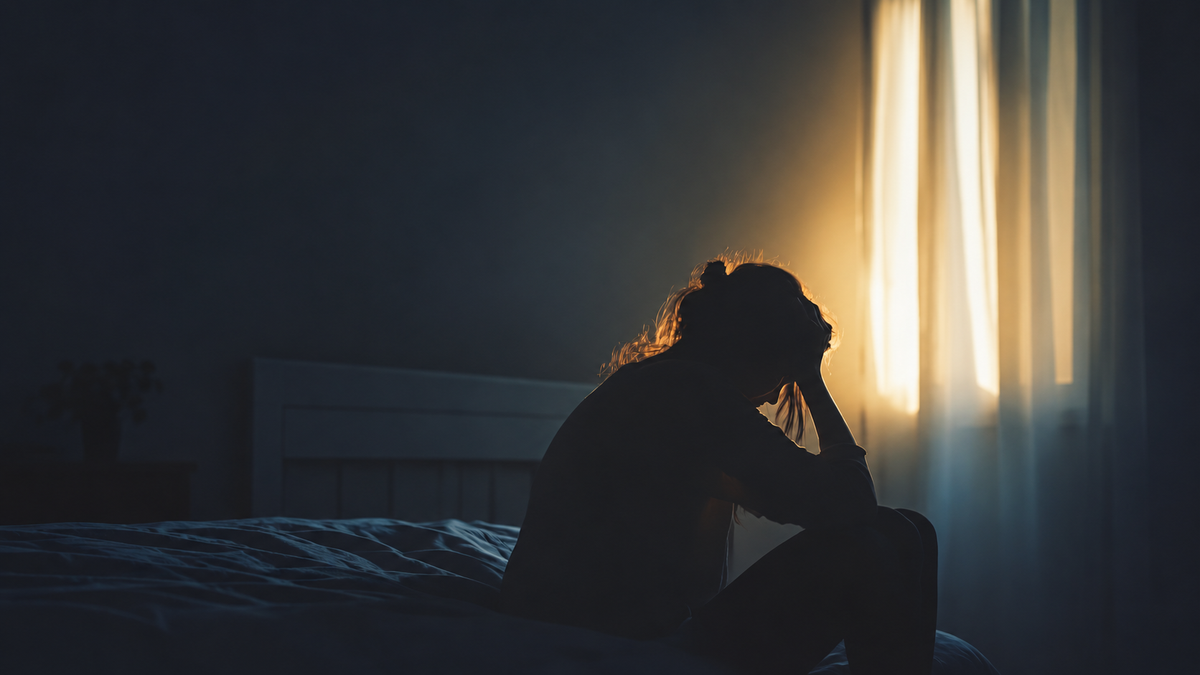
It's 11 pm on a Sunday. The computer is closed, the phone is lying face down, but you still cannot stop thinking. Your chest is constricted, and your mind is already in Monday's meeting.
Or maybe it is quite the contrary. You feel nothing, only numb and gray exhaustion that even eight hours of sleep did not erase.
Both conditions are usually named by people using the same word: stressed. However, under this simple word lies two completely different conditions. The one is anxiety, and the other is burnout. They have the same external appearance, often occur together, and require completely different solutions.
This is why the problem of anxiety versus burnout deserves ten minutes of your attention. To treat burnout as anxiety means to do breathing exercises while working at a desk that you still fear. Treating anxiety as burnout means to take a break from work and worry with your suitcases. Let's distinguish the two.
What is burnout?
Burnout can be described as a situation in which stress becomes unending without any form of recovery between.
According to the World Health Organization, burnout is considered an occupational syndrome rather than a health issue. They define it as a consequence of chronic stress in the work environment and that it isn’t handled effectively.
The important part here is chronic. A single stressful week won’t cause burnout; six stressful months will. Stress for burnout grows silently, and that is why it’s hard for people to recognize when it occurs. You keep pushing yourself until one day your energy reserves are depleted.
To be precise, WHO defines it as something strictly related to work. Yet in practice, people apply this term to all roles in which constant demands occur, such as studying, caring for someone or handling household chores.

Common burnout symptoms
- Exhaustion that a weekend of rest doesn't fix
- Feeling detached or cynical about work you once cared about
- Slipping performance, even on tasks you used to find easy
- Poor concentration and endless procrastination
- Snapping at people over small things
- Headaches, body aches and falling sick more often
- A constant sense of "what's the point?"
If you had to sum up burnout symptoms in a single word, it would be empty.
What is anxiety?
Anxiety is an alarm system for the body. It is intended to alert you to danger, and in moderate amounts, it serves its purpose well by prompting you to study for your exams and to cross the street cautiously.
It becomes problematic when the alarm sounds without any fire, when you worry about situations that have not occurred yet, that will never happen, or even if they did, were of little importance. At that point when you get used to it and start controlling your life with its help, you develop an anxiety disorder. There are many sufferers of such disorders according to the World Health Organisation, so you are definitely not alone in that.
In contrast with burnout, anxiety does not require a stressful work schedule to develop.
Common anxiety symptoms
- Worry that's hard to turn off
- Racing thoughts, particularly at night
- Rapid heartbeat, chest tightness or difficulty breathing
- Feeling restless
- Tightness in the shoulders and jaw
- Difficulty in falling asleep
- A stomachache without any apparent reason
- staying away from the individuals or locations that trigger the worry
If burnout feels empty, anxiety symptoms feel like too much. Too many thoughts, too much nervous energy, and nowhere to put any of it.
Anxiety vs burnout symptoms: side by side
Both will leave you exhausted, frustrated and unable to concentrate, which is precisely how they end up being confused with one another. Compare the symptoms of both anxiety and burnout side by side to notice the commonality.
- Basic emotion: Worry and fear characterize anxiety, Exhaustion and detachment characterize burnout.
- Energy: Anxiety leaves you wired and restless. Burnout leaves you drained and flat.
- Inner voice: Anxiety says, "What if it all goes wrong?" Burnout says, "I honestly don't care anymore."
- Usual cause: The source of anxiety is either a perception of threat or the actual existence of it. Burnout results from stress and the lack of recovery from it.
- Where it shows up: Anxiety may affect all aspects of life. Burnout is typically confined to one particular domain, mainly work.
- Sleep: Anxiety keeps you from falling asleep, but burnout makes it impossible to feel refreshed after sleeping.
- Does a break help? For anxiety, not much at all, since the fear goes with you. For burnout, frequently, at least initially.
The real difference between anxiety and burnout
Anxiety versus burnout is one of direction. Anxiety means having too much of something: too much fear, too much of an expectation, or a body that feels too high-strung. Burnout means having too little of something: too little of everything left within you.
An anxious individual still cares, usually more than they should. He thinks about the conversation, rewrites the e-mail four times, and imagines the worst possible scenario. On the other hand, a burnt out person has stopped caring. This is not being lazy. Caring requires effort, and he has none left.
Moreover, there is a difference in time as well. Anxiety lives in the future – in all the things that might go wrong. Burnout is the invoice you get for all that you have been spending.
Let me show you one simple test. Suppose your greatest stress factor disappeared today. The project has been canceled, the exams are over, somebody else will do the night shift.
If you will experience relief and begin recovery, this is most likely a case of burnout. If your mind just finds some other things to be anxious about, this is anxiety.
Can you have both at the same time?
Yes, and many do. This is where the discussion between burnout and anxiety gets complicated since they both fuel each other.
Persistent anxiety drains one's energy. Staying alert for months takes a toll on the body in terms of using up a lot of energy reserves and then failing. This means anxiety transitioning to burnout.
The reverse situation occurs too. If one becomes burnt out, his or her performance drops. Mistakes happen, work goes wrong, and suddenly there is something tangible to be anxious about. This means burnout becomes anxiety.
Thus, if someone has seen both sets of symptoms and experienced both, he or she is not exaggerating.
What actually helps
The causes are different, so the fixes are too.
If it's burnout, do less. A new productivity app won't save you. What helps is a lighter load and proper rest.
- Talk openly about your load of work, either with your manager or even yourself.
- Select a time when you have to stop working for the day
- Rest without being online: sleeping, going for a walk, spending time with people who don’t expect anything from you
-
Go back to something that you used to love before you felt tired.

If it's anxiety, calm the alarm. The aim is to show your body that it's safe.
- Breathe slowly and make sure that your exhale is longer than your inhale.
- Exercise. Walking even for 20 minutes helps dissipate the nervous energy.
- Try to consume less caffeine, particularly post-lunch
- Write your concern on paper. It will appear less serious when written down compared to how it appeared to you at 2 am.
The bottom line
When it comes to anxiety vs burnout, you don't need a perfect label. You just need to know which one you're dealing with, so you stop reaching for the wrong fix. Anxiety asks you to calm down. Burnout asks you to slow down. Some days you need both.
That's the thinking behind ANCHOR by VARAÉ , our Ayurvedic nasal inhaler. Even just a few breaths through it can get you feeling more centered whenever you feel anxiety getting out of hand or burnout draining the last of your energy. It's not going to take the place of rest and consulting a doctor, but at least it's something you can carry around in your pocket.
